
Understanding Global Immigration Pathway Requirements
Navigate the complexities of global immigration. Learn about common pathway requirements, eligibility criteria, and how to research your options effectively.
By aimmigration Research Team
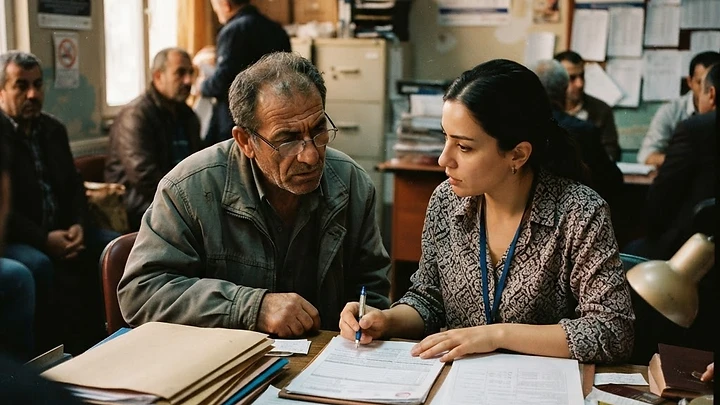
Introduction
Embarking on an international relocation journey is a significant life decision that requires careful planning and a deep understanding of immigration systems. Whether you are seeking to study, work, or settle permanently in a new country, the process is governed by specific immigration pathway requirements that vary significantly by nation. Understanding these criteria is the first step toward a successful application.
This article provides a comprehensive overview of how immigration systems function, the common requirements you may encounter, and how to approach your research. Please note: This article is for informational purposes only and does not constitute legal advice.
The Structure of Immigration Pathways
Most countries organize their immigration systems into structured categories. These pathways are designed to meet specific national goals, such as filling labor shortages, attracting international students, or reuniting families. According to general immigration frameworks, pathways are typically divided into:
- Economic/Skilled Worker Pathways: Designed for individuals with specific professional skills, education, or experience that the host country needs [4, 5].
- Study-to-Work Pathways: A common progression where international students transition from a study permit to post-graduation work permits and eventually permanent residency [5].
- Family-Based Immigration: Routes for individuals to join family members who are already citizens or permanent residents [8].
- Humanitarian Pathways: Specialized routes for refugees, asylum seekers, or individuals requiring protection [8].
Summary of Immigration Pathway Types
| Pathway Type | Processing Time | Relative Cost | Documentation Burden | |---|---|---|---| | Economic/Skilled | 6-18 Months | High | Very High | | Study-to-Work | 3-9 Months | Medium | Moderate | | Family-Based | 12-24+ Months | Low/Medium | High | | Humanitarian | Variable | Low | Very High |
Common Immigration Requirements
While every country has unique laws, most immigration authorities evaluate applicants based on a set of core criteria. Being prepared to document these factors is essential for any pathway eligibility assessment.
1. Language Proficiency
Language requirements are a cornerstone of modern immigration policy. Many countries require proof of proficiency in their official language(s) to ensure that newcomers can integrate into the workforce and society [1].
- Initial Work Visas: Often have lower or no language requirements, depending on the sector [1].
- Permanent Residency: Usually requires basic to intermediate proficiency (e.g., A2-B1 levels) [1].
- Citizenship: Frequently demands advanced proficiency (B1-B2 or higher) [1].
Commonly accepted tests include IELTS, TOEFL, DELF, TCF, or country-specific exams like the Inburgeringsexamen in the Netherlands or Norskprøven in Norway [1].
2. Educational and Professional Credentials
For skilled worker pathways, authorities often require an Educational Credential Assessment (ECA) to verify that your foreign degree is equivalent to the host country's standards. Additionally, you may need to provide:
- Proof of work experience (letters of reference, contracts).
- Professional licenses or certifications relevant to your field.
- Evidence of job offers from recognized employers [5].
3. Financial Stability and Health
Immigration authorities want to ensure that applicants can support themselves without relying on public funds. Requirements often include:
- Proof of Funds: Bank statements or financial guarantees showing you can cover living expenses [2].
- Health Insurance: Many countries mandate that applicants maintain comprehensive health insurance that meets specific government standards [2].
- Medical Exams: Some pathways require a clean bill of health from an approved panel physician.
4. Suitability and Security
Regardless of the pathway, applicants must generally meet "suitability" requirements. This often includes:
- Providing biometric data (fingerprints and photos) [6].
- Passing criminal background checks and security screenings [6].
- Demonstrating that you are not in breach of previous immigration laws [6].
How to Assess Your Pathway Eligibility
Determining your eligibility requires a systematic approach. Because immigration rules change frequently—including salary thresholds, points systems, and processing times—it is vital to rely on official government portals [7].
- Identify Your Goal: Are you looking for temporary work, permanent residency, or study opportunities?
- Use Official Resources: Always start your research on the official government immigration website of your destination country [7].
- Check for Updates: Immigration policies are subject to policy updates. Ensure you are looking at the most recent guidance [7].
- Organize Documentation: Start a checklist of required documents early, as obtaining transcripts, police certificates, and language test results can take months.
Frequently Asked Questions (FAQ)
Do I need a lawyer to apply for an immigration pathway?
While many people choose to hire legal professionals, it is not always mandatory. Many government websites provide detailed, step-by-step instructions for self-filing. However, if your case is complex, professional advice may be beneficial.
Can I apply for multiple pathways at once?
In many cases, yes, but you must ensure that you meet the specific requirements for each. Be aware that some pathways may have restrictions regarding concurrent applications.
What happens if my application is refused?
Refusals can happen for various reasons, such as missing documents or failing to meet eligibility criteria. Most countries have a process for appealing a decision or reapplying once the issues have been addressed.
How often do immigration requirements change?
Immigration rules are dynamic. Governments frequently adjust points thresholds, salary minimums, and eligible occupation lists to reflect current economic needs [7]. Always verify requirements immediately before submitting your application.
Conclusion
Navigating immigration pathway requirements is a process of diligence and preparation. By understanding the core pillars of eligibility—language, education, finances, and security—you can better position yourself for success. Remember to prioritize information from official government sources and keep your documentation organized. While the journey can be complex, a clear understanding of the requirements is your best tool for moving forward.
Disclaimer: This article is for informational purposes only and does not constitute legal advice.
Rate this article
Related Articles
UAE Golden Visa: Entrepreneur Business Plan Criteria
Learn the essential business plan criteria for the UAE Golden Visa entrepreneur track and how to structure your proposal for official evaluation.
German Naturalization: New 5-Year Pathway Guide
Learn about the updated German naturalization requirements, including the new 5-year residency path, language standards, and the naturalization test.