
US F-1 Visa: Managing Financial Support Documentation
Learn how to prepare and present financial support documentation for your US F-1 student visa application to meet consular expectations.
By aimmigration Research Team
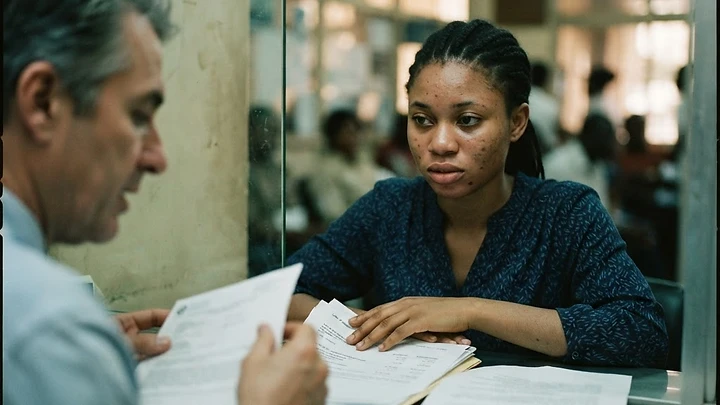
Understanding F-1 Visa Financial Requirements
Securing an F-1 student visa for study in the United States involves several stages, one of the most critical being the demonstration of sufficient financial support. According to United States Citizenship and Immigration Services (USCIS) and Department of State guidelines, international students must prove that they have enough liquid assets to cover the cost of tuition, living expenses, and other fees for at least the first year of their academic program. This requirement ensures that students can focus on their studies without the need for unauthorized employment.
Financial documentation is assessed primarily during two stages: the issuance of the I-20 form by the educational institution and the subsequent visa interview at a US Embassy or Consulate. While university requirements for the I-20 may vary, consular officers evaluate financial evidence based on their assessment of the student’s ability to sustain their stay in the United States. Providing clear, verifiable documentation is essential for a complete application.
Financial Documentation Comparison
| Document Type | Primary Purpose | Liquid Asset Required | |---|---|---| | Bank Statements | Proof of accessible cash reserves | Yes | | Scholarship Letter | Proof of academic funding | N/A (Institutional) | | Affidavit (I-134) | Proof of sponsor commitment | Yes (Sponsor side) | | Investment Account | Long-term asset verification | Partial (If withdrawable) |
Essential Financial Documentation
When preparing for your application, focus on liquid assets. Consular officers are looking for accessible funds, meaning money that can be withdrawn or transferred immediately to pay for education-related costs. Acceptable forms of documentation typically include:
Bank Statements and Letters
Official bank statements should reflect a consistent history of funds. A sudden, unexplained influx of money shortly before the visa interview can often trigger additional scrutiny. Ensure that statements are on official bank letterhead, dated, and clearly indicate the account holder's name and the current balance.
Scholarship and Sponsorship Letters
If your education is funded by a university scholarship, an employer, or a government sponsor, you must provide the original award letter. This document should detail the total amount provided, the duration of the funding, and what specific costs are covered, such as tuition, room, and board.
Affidavit of Support (Form I-134)
If you are being sponsored by a family member or another individual residing in the United States, they may be asked to provide Form I-134, Affidavit of Support. While this is more common for other visa types, it can serve as a supplementary document to demonstrate the sponsor's intent and capacity to provide the necessary financial assistance.
Application Process Flow
Meeting the I-20 Financial Requirements
The I-20 is the Certificate of Eligibility for Nonimmigrant Student Status. Your university or college will provide you with this document once they have verified your financial capacity. The amount required on the I-20 represents the estimated costs for one academic year as determined by the institution, including tuition, fees, insurance, and local cost-of-living estimates.
It is important to note that the "Total Amount" listed on your I-20 is the minimum threshold you must be able to document. If your funding comes from multiple sources—such as partial scholarships, personal savings, and family contributions—you must be prepared to present evidence for each of these sources simultaneously during your visa interview.
Best Practices for Documentation
Maintaining transparency is the most effective approach to financial documentation. Ensure that all documents are original or certified copies. If bank statements are in a language other than English, they must be accompanied by a certified translation. Always organize your files in a logical order so that you can quickly locate any document requested by the interviewing officer.
Be prepared to explain the source of the funds. If the money comes from a family business, prepare supporting documentation regarding the business's legal standing and profitability. If the funds are from personal savings accumulated over time, provide evidence of that accumulation. The goal is to provide a clear, coherent financial narrative that aligns with the figures presented on your I-20.
Frequently Asked Questions
Does the US government require proof of funds for all four years of my degree?
Generally, the requirement is to prove funds for the first year of study, as noted on your I-20. However, you must be able to demonstrate a plan or source of funding for the remainder of your program if asked by a consular officer.
Can I use real estate or property as financial proof?
Consular officers generally do not accept property, jewelry, or other non-liquid assets as proof of financial support. They require proof of liquid funds that can be accessed for payment of educational expenses.
What if my financial situation changes after I receive my I-20?
If your financial circumstances change significantly, contact your university's International Student Office (ISO) before your visa interview. They may need to update your I-20 or provide guidance on how to document your updated financial situation.
Disclaimer
This article is provided for informational purposes only and does not constitute legal advice. Immigration laws and policies are subject to change, and each individual's situation is unique. There is no guarantee of visa approval, as each application is assessed by a consular officer on its individual merits. Always consult official resources such as the U.S. Department of State website or the specific instructions provided by the US Embassy or Consulate where you intend to apply.
Sources
Immediate Relative Family-Based Green Card
U.S. Citizenship and Immigration Services (USCIS)
View pathway detailsRate this article
Related Articles
US EB-5 Investor Visa: Documenting Source of Funds
Learn the essential requirements for documenting the source of funds for the US EB-5 investor visa application and how to meet USCIS evidentiary standards.
UAE Golden Visa for Entrepreneurs: Compliance Protocols
Learn the essential operational and regulatory compliance requirements for maintaining your UAE Golden Visa status as an entrepreneur.