
Monthly Global Immigration Policy Update: September 2026
Explore the latest September 2026 immigration program updates, including H-1B fee proposals, H-2B cap increases, EB-5 deadlines, and visa law changes.
By aimmigration Research Team
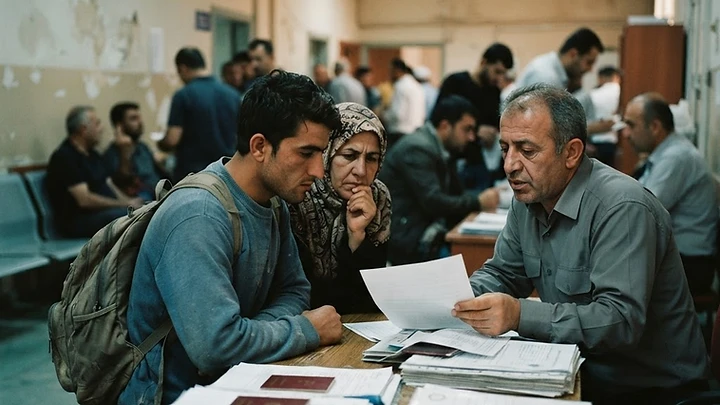
--- Navigating the complexities of global mobility requires staying constantly informed about the latest immigration program updates. As we move through September 2026, several significant immigration law changes and visa program updates have been announced or implemented by government agencies. From adjustments in employment-based visa caps to critical deadlines for investor programs, these shifts impact employers, foreign nationals, and international students alike. This comprehensive monthly update breaks down the most critical policy shifts, providing you with the neutral, informational insights needed to understand the current immigration landscape. ## Major Employment-Based Visa Program Updates Employment-based immigration remains a highly dynamic area, with several key updates affecting temporary workers and highly skilled professionals. ### H-2B Visa Cap Increases and Milestones The H-2B nonimmigrant visa program, which allows U.S. employers to bring foreign nationals to the United States to fill temporary nonagricultural jobs, has seen significant activity. According to the U.S. Citizenship and Immigration Services (USCIS), there has been a Temporary Increase in H-2B Nonimmigrant Visas for FY 2026. The agency issued a temporary final rule increasing the numerical limit on H-2B nonimmigrant visas by up to 64,716 additional visas for fiscal year 2026. However, demand continues to outpace supply. Recent reports indicate that the H-2B visa cap has already been reached for the first half of FY2027 (the winter season), highlighting the intense competition among employers for temporary foreign labor. Employers must plan their workforce needs well in advance to navigate these tight caps. ### Comparison of Employment Visa Programs | Visa Type | Primary Purpose | Key 2026 Update | Processing Complexity | |---|---|---|---| | H-2B | Temporary Non-Ag Labor | Increased Cap FY2026 | High (Cap sensitive) | | H-1B | Skilled Professionals | Proposed Fee Hike | Extreme | | EB-5 | Investor Green Card | Grandfathering Deadline | High | ### H-1B Visa Fee Proposals and Grace Period Changes Highly skilled workers and their employers are facing potential headwinds due to proposed regulatory changes. A notable proposal currently under discussion involves a massive fee increase for certain H-1B applications. According to a Monthly immigration update: September 2026, the administration has proposed a staggering $103,265 fee for most new applications for H-1B visas for skilled foreign workers, which would include those already residing in the United States. Furthermore, the Department of Homeland Security (DHS) is proposing stricter rules regarding the transition periods for nonimmigrant workers. A recent update highlighted that DHS proposes eliminating the 60-day grace period for certain nonimmigrant workers, a change that would significantly reduce the time foreign professionals have to find new employment or change their visa status following a job loss. ## Policy Shifts and Immigration Law Changes Beyond employment visas, broader immigration law changes are reshaping the landscape for family-based immigrants, students, and humanitarian applicants. ### Application Process Flow flowchart graph TD A[Determine Eligibility] --> B[Submit Petition/Application] B --> C{Review by USCIS/DOS} C -->|Request Evidence| D[Submit Supporting Docs] D --> B C -->|Approval| E[Visa Issuance/Approval Notice] C -->|Denial| F[Appeals/Adjustment] ### Public Charge Rule and Visa Issuance Pauses Earlier in 2026, the Department of State (DOS) implemented a pause on immigrant visa issuance for nationals of 75 countries based on public charge concerns, effective January 21, 2026. However, this landscape has shifted rapidly. According to September Immigration Updates: What Employers And Foreign Nationals Need To Know - Work Visas - United States, the DOS confirmed that as of August 21, 2026, this immigrant-visa issuance pause is no longer in effect following a federal court order. Concurrently, USCIS has updated its public charge guidance for adjustment of status applications filed on or after September 18, 2026. Applicants must ensure they are using the most current forms and adhering to the latest evidentiary requirements to avoid processing delays or denials. ### Student Visas and CPT Restrictions International students are also experiencing tighter regulations. The Department of Homeland Security has scaled back Curricular Practical Training (CPT), a vital program that allows international students on F-1 visas to apply for internships and gain work experience. According to the Monthly immigration update: September 2026, DHS issued a guidance memo stating that CPT can only be utilized when the training is strictly integral to the student's degree curriculum, limiting the flexibility students previously had to pursue general internships. ### Humanitarian Programs: Refugee Admissions and TPS Humanitarian immigration pathways have seen a marked decrease in admissions and the expiration of certain protections. The United States admitted only 10,258 refugees in the first 10 months of fiscal year 2026, a sharp decline from previous years. Additionally, Temporary Protected Status (TPS) for El Salvador officially expired on September 9, 2026, leaving many long-term residents facing uncertain futures and highlighting the temporary nature of these humanitarian designations. ## Diversity Visa and EB-5 Investor Deadlines ### Diversity Visa (DV-2026) Program Closure For individuals participating in the Diversity Immigrant Visa Program, time is running out. According to the Visa Bulletin For July 2026, the year of entitlement for all applicants registered for the DV-2026 program ends on September 30, 2026. After this date, no DV visas may be issued to DV-2026 applicants. Furthermore, the Visa Bulletin For September 2026 - Travel - State Department notes that amendments have reduced the DV-2026 annual limit to approximately 52,101 visas globally. ### EB-5 Program Grandfathering Deadline Foreign investors utilizing the EB-5 Immigrant Investor Program must be aware of critical upcoming deadlines. According to Global Immigration Partners Advises to Prepare for Potential EB-5, investors are warned not to overlook the critical September 2026 grandfathering deadline. Visa demand remains dynamic, and investors are encouraged to begin evaluating their options and preparing their cases early to take advantage of the current EB-5 framework before potential program changes take effect. ## Conclusion The immigration landscape in September 2026 is characterized by rapid changes, approaching deadlines, and shifting regulatory frameworks. Whether you are an employer navigating the H-2B cap, a skilled worker monitoring H-1B fee proposals, or an investor eyeing the EB-5 deadline, staying informed about these immigration program updates is crucial for success. Always ensure you are referencing official government channels and working with qualified professionals to navigate these complex immigration law changes. *** ## Frequently Asked Questions (FAQ) 1. What is happening with the H-1B grace period? The Department of Homeland Security (DHS) has proposed eliminating the standard 60-day grace period for certain nonimmigrant workers. If finalized, this would drastically reduce the time foreign workers have to secure new employment or change their visa status after losing a job. 2. Is the immigrant visa pause for the 75 countries still active? No. While the Department of State initially paused immigrant visa issuance for nationals of 75 countries based on public charge concerns in January 2026, this pause was lifted on August 21, 2026, following a federal court order. 3. When does the DV-2026 program officially end? The entitlement year for all applicants registered for the DV-2026 Diversity Visa program ends on September 30, 2026. No visas for this specific program year can be issued after this date. 4. What are the recent changes to the F-1 student CPT program? DHS has issued guidance scaling back Curricular Practical Training (CPT). International students can now only utilize CPT when the internship or training is strictly integral to their specific degree's curriculum, removing previous flexibilities. *** This article is for informational purposes only and does not constitute legal advice.